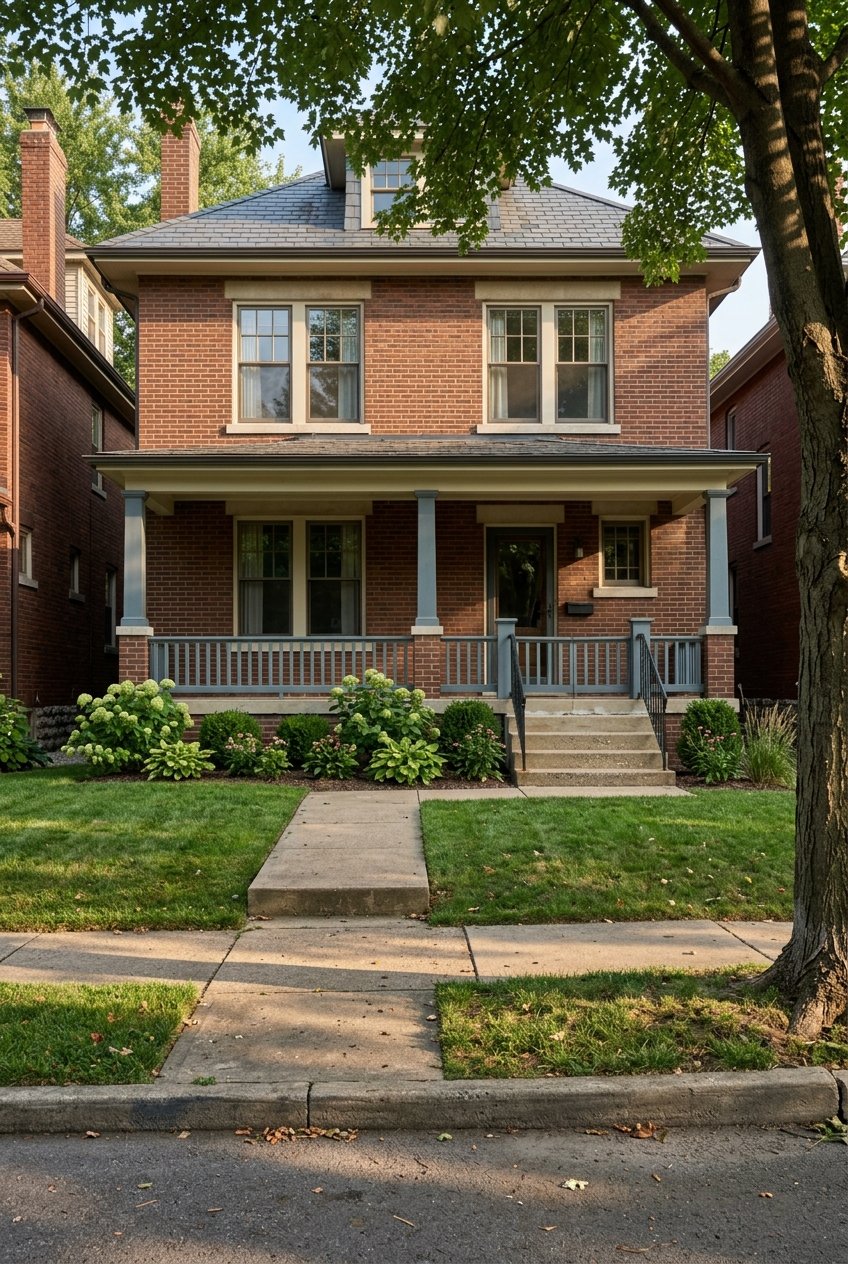
Car-Light Living In Oak Park And River Forest
June 18, 2026
June 18, 2026
If you want a suburb where you can drive less without giving up daily convenience, Oak Park and River Forest both deserve a look. The key is knowing that they support car-light living in different ways, and that difference can shape your day-to-day routine. If you are deciding where to rent or buy, this guide will help you compare transit, walkability, and bike access so you can picture what life might actually feel like. Let’s dive in.
Car-light living depends on more than one train stop. It works best when you can combine transit, walkable errands, and bike-friendly connections in a way that fits your normal week.
In Oak Park, that structure is especially strong. The village says it has 2 rapid transit lines, 17 bus routes, and 1 commuter rail line, which gives you multiple ways to get around without relying on a car for every trip.
River Forest can also work for a reduced-car lifestyle, but the pattern is different. Instead of a dense mix of transit and business districts across the village, daily life tends to cluster around a few key corridors and destinations.
Oak Park stands out for the number of transit choices packed into one community. That matters if you want flexibility for commuting, appointments, errands, or meeting friends without planning your whole day around a car.
The CTA Green Line serves Oak Park, including the Harlem/Lake stop, which connects with the Metra Union Pacific West station in Oak Park. The line also includes Oak Park and Ridgeland stops before continuing into Chicago.
The CTA Blue Line gives Oak Park another major advantage because it runs 24 hours a day between O'Hare and Forest Park. The Oak Park Blue Line station is at 950 S. Oak Park Ave., and CTA lists Pace Bus 311 as a station connection.
Metra’s Union Pacific West line adds commuter rail service through both Oak Park and River Forest. For many buyers, that extra layer of transit can make a real difference when you are comparing a more car-dependent suburb with one that gives you more than one option.
River Forest is less transit-dense than Oak Park, but it still offers workable connections for households that are comfortable mixing walking, biking, rail, and bus service. If your routine is more predictable and your errands are easier to group together, River Forest may still feel very manageable.
The village points residents to Pace, Metra, and CTA Green and Blue Line resources. In practical terms, that means your transit routine may depend more on where you live relative to Lake Street, the Metra station, or bus-served corridors.
Pace routes help fill in those connections. Route 309 serves the CTA Green Line Austin Station and River Forest and Oak Park, Route 313 also serves the CTA Green Line Austin Station and includes River Forest and Oak Park, Route 314 serves Oak Park and connects to the CTA Green Line Ridgeland station, and Route 310 serves River Forest and Forest Park.
Transit is only part of the story. Car-light living gets much easier when your coffee stop, groceries, lunch spot, or service appointment can happen on foot.
Oak Park’s village information highlights 12 business districts, which gives you more than one place to build your routine. That variety can be a big plus if you want options close to home instead of driving to one main shopping area.
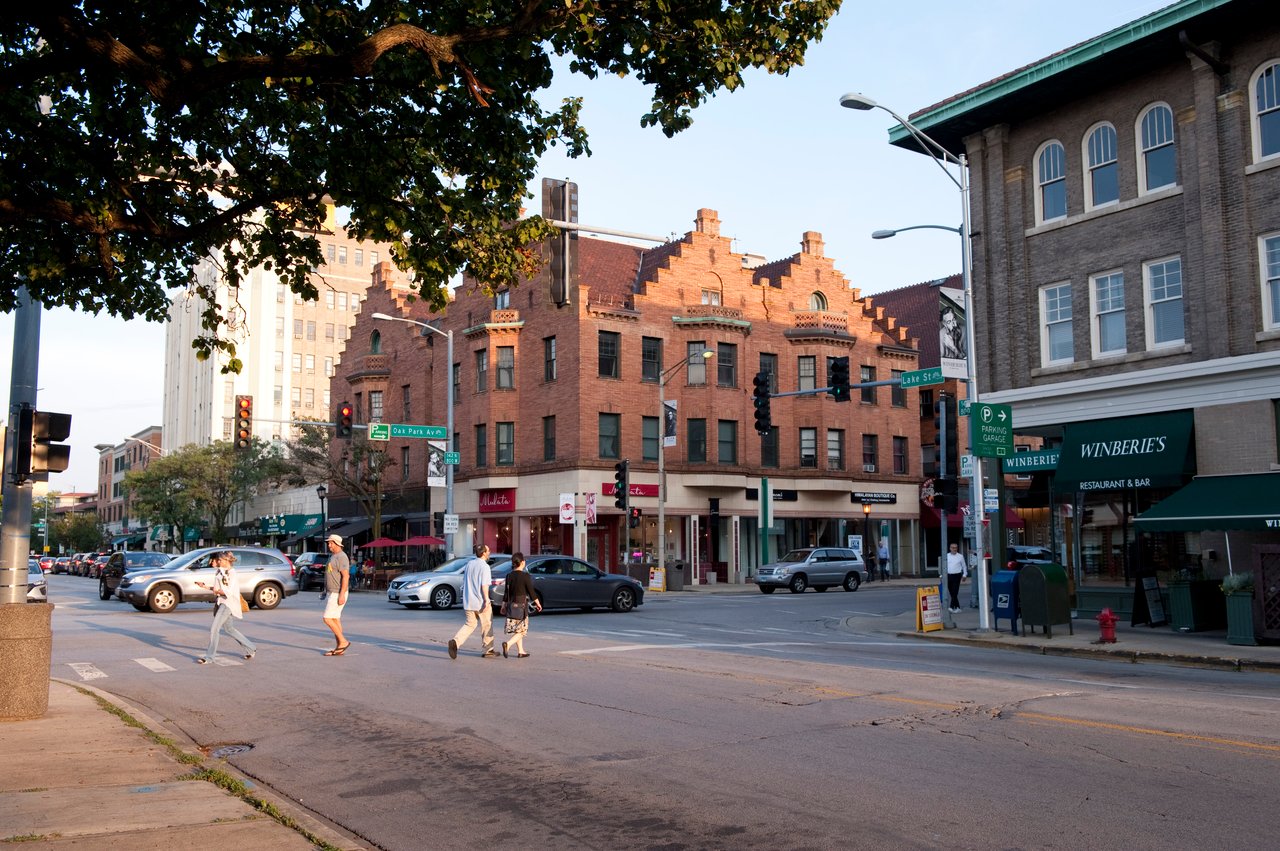
Downtown Oak Park is described as the central commercial district, with restaurants, services, the Lake Theatre, and a year-round events calendar. The Hemingway District is also notable because the village describes it as transit-oriented and just steps from the CTA Green Line Oak Park station.
The Oak Park Arts District adds another everyday destination along Harrison Street from Austin Boulevard to Ridgeland Avenue. The village says it includes galleries, arts supply stores, resale shops, music stores, and coffeehouses, which helps create a pattern where casual errands and leisure stops can happen without getting in the car.
River Forest offers a smaller set of daily-needs destinations, but that can still work well if you prefer a more concentrated routine. Instead of spreading errands across many districts, you are more likely to center them around a few practical nodes.
The village notes boutique and local shops and specifically mentions Town Center stores such as Whole Foods Market, Starbucks, and Panera. Its economic development information also says Lake Street passes through the historic Village Center and sits next to Metra UP-W.
That setup can be a good match if you like to group errands into one trip. You may walk to the train, stop for groceries, and pick up coffee or a quick meal in the same general area.
River Forest is also investing in walkability improvements. The North Avenue Streetscape Improvement Project is designed to improve sidewalks, crosswalks, curb ramps, bump-outs, bus-stop pads, business access, and overall pedestrian safety.
For many car-light households, biking is what makes the system really work. It helps bridge the gap between home and transit, or between one errand and the next.
Oak Park has a strong bike framework. The village says it adopted an updated Bike Plan in 2025, and its Neighborhood Greenways are designed to calm traffic and create smoother connections to schools, transit hubs, and local businesses.
Oak Park also offers broad bike parking access, including covered parking near the intermodal CTA and Union Pacific station at Forest Avenue and North Boulevard. The village also notes fix-it stations at several bike shelters.
For daily use, bikes can connect with transit too. Oak Park states that bikes are allowed on CTA and Metra trains except during weekday rush hours, and that all CTA and Pace buses serving Oak Park have bike racks.
The village also reminds riders that sidewalk riding is not allowed in business districts, including downtown. That is a helpful detail if you are new to biking in a walkable commercial area.
River Forest has also built out a clearer bike network. The village adopted its first Bicycle Plan in 2019, with preferred routes for bike lanes, marked shared lanes, and signed routes.
The village says implementation has included signs and pavement markings, along with connections to major destinations and regional trails. That makes biking useful not just for recreation, but also for practical local trips.
The trail network is a major plus here. River Forest says the Des Plaines River Trail project is intended to connect communities through River Forest to the Illinois Prairie Path in Forest Park, and it describes the trail as a regional transportation and recreation asset.
River Forest also says three miles of Cook County Forest Preserve trails border the village. For some buyers, that combination of local bike routes and regional trail access can be a meaningful lifestyle feature.
In Oak Park, a typical week can revolve around a train or bus commute, walking to lunch or services, biking to a station, and fitting errands into one of several business districts. If you like having choices throughout the week, Oak Park gives you more ways to build that rhythm.
The village also hosts the Oak Park Farmers’ Market at 460 Lake St. During market season, Oak Park says seniors in Oak Park and River Forest can use township rides to get there.
In River Forest, a car-light routine often feels more focused. Daily-needs shopping is easier when you live near Town Center, Lake Street, North Avenue, or the train station area, and the bike and trail network can help make short trips more practical.
That does not mean every destination is equally close or evenly distributed. It means River Forest may work best if you are comfortable planning around a few strong nodes rather than expecting the same level of transit density you would find in Oak Park.
If you want the most transit-first, walkable version of suburban living, Oak Park is usually the stronger fit. The combination of rapid transit, bus service, Metra access, and multiple business districts gives you more flexibility for living with fewer car trips.
If you prefer a quieter, more concentrated pattern of daily life, River Forest can still be a smart choice. It may suit you best if you are comfortable combining one main rail line, bus connections, walkable shopping nodes, and strong bike or trail access.
When you are choosing between these two communities, the biggest question is not simply whether you can own fewer cars. It is whether the way you like to move through your day matches the way the village is built.
If you are exploring Oak Park or River Forest and want help matching your home search to your lifestyle, Cynthia Gajewski can help you think through the tradeoffs and find the right fit.
We are your local housing match-makers. With a shared passion for Oak Park’s historic architecture and diverse neighborhoods, we thrive on connecting the right people with the right homes. Connect with us for a team that treats your goals with optimism, energy, and unwavering dedication.
109 N MARION ST OAK PARK, IL 60301