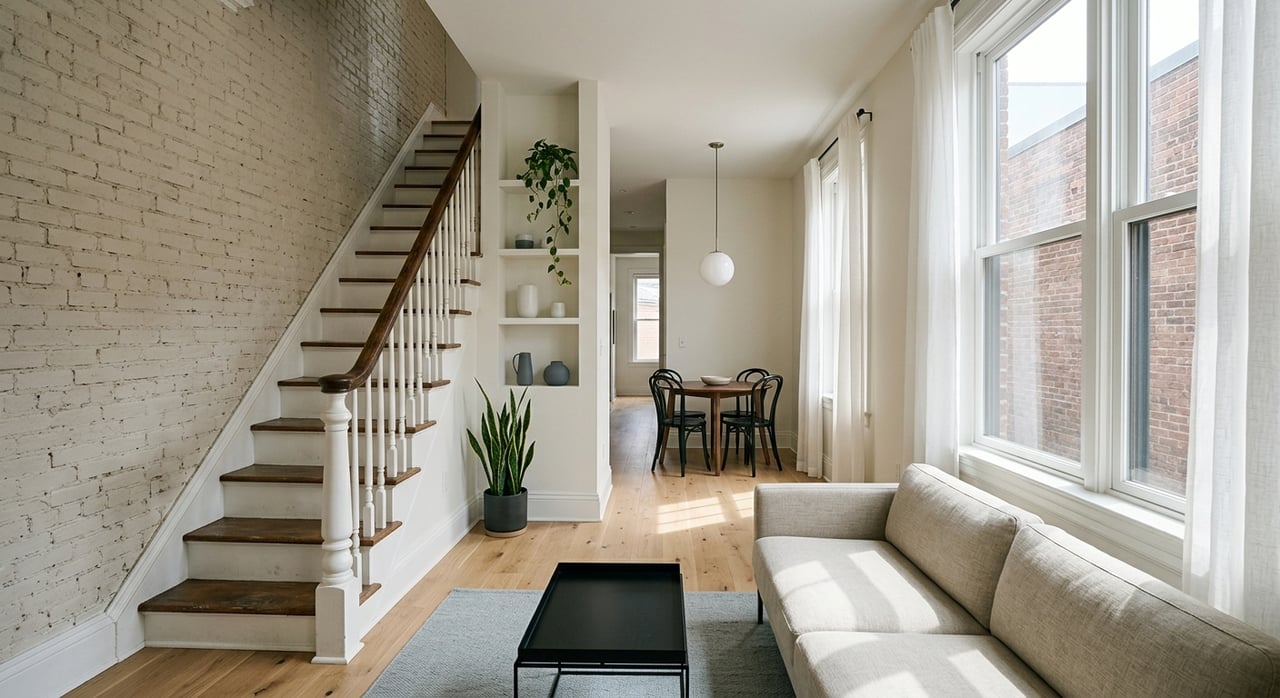
Comparing Condos vs Houses in Oak Park and River Forest
July 9, 2026
July 9, 2026
Trying to choose between a condo, townhome, or house in Oak Park and River Forest? You are not alone. These two near-west suburbs offer strong transit access, distinctive older housing stock, and a wide range of price points, which makes the decision exciting but also a little tricky. The good news is that once you understand the tradeoffs around budget, maintenance, space, and renovation flexibility, the right fit gets much clearer. Let’s dive in.
Oak Park and River Forest are not one-size-fits-all markets. Oak Park reports about 54,500 residents and access to CTA Blue and Green Line stops, CTA buses, Pace routes, and Metra UP-West service. River Forest reports 11,489 residents, sits about 10 miles west of downtown Chicago, and also offers access to Metra and other public transit.
That transit access can make lower-maintenance living especially appealing. At the same time, both communities are known for older homes and preservation oversight. Oak Park says about a third of the village is in historic districts, while River Forest says 298 homes are designated Significant Properties and reviewed by the Historic Preservation Commission when construction work is proposed.
For many buyers, price is the first filter. In both communities, condos are generally the most affordable entry point, townhomes often sit in the middle, and single-family homes are usually the highest-priced option.
Oak Park’s 2024 staff memo placed the condo median sale price at $191,000. Redfin’s current city guide shows a 2026 condo or co-op median sale price of $204,922, with a current median listing price near $209,000.
In River Forest, the assessor estimates the 2025 median condo sale price at $292,000. Redfin’s current city guide shows a condo or co-op median sale price of $254,154, with current listings around $319,000.
Current examples also show the size tradeoff. Oak Park condo inventory ranges from roughly 550 to 1,709 square feet, while River Forest condo examples are around 1,200 to 1,340 square feet.
Townhomes often surprise buyers because the pricing gap is not always as wide as expected. Oak Park’s current city guide shows a townhouse median sale price of $622,622 and a current median listing price around $600,000.
River Forest’s current city guide shows a townhouse median sale price of $475,093. Current examples in both communities suggest townhomes can offer meaningfully more space than many condos, with some Oak Park and River Forest units exceeding 2,000 square feet.
Single-family homes are usually the most expensive path, but they often offer the most space and control. Oak Park’s current city guide shows a single-family median sale price of $709,639, while the village’s 2024 memo showed a 2024 median of $560,000 and an average of $607,327.
River Forest trends higher. Redfin’s current city guide shows a single-family median sale price of $860,063, while the assessor’s report shows a 2025 median of $900,000 and a 2026 estimate of $918,000.
The sale price is only part of the monthly picture. What you actually spend each month can feel very different depending on the type of home you choose.
When you buy a condo, and many townhomes, you may also pay association dues. Oak Park’s 2025 staff analysis found an average monthly condo association fee of $473 for two- or three-bedroom condos with two baths. Current River Forest condo listings show HOA fees around $393 to $468.
Those dues may help cover shared building or site responsibilities, which can reduce your direct maintenance load. That can be a major plus if you want less day-to-day upkeep or a simpler ownership experience.
A single-family home gives you more independence, but it also shifts more responsibility to you. Instead of paying an association to manage common elements, you are more directly exposed to costs like roof work, landscaping, exterior repairs, and system maintenance.
Local taxes and utilities matter too. Oak Park bills water, sewer, refuse, and recycling quarterly. In River Forest, the 2024 tax distribution shows school districts account for 72.3% of the property tax bill, while the Village accounts for 12%.
The best option is not just about numbers. It is about how you want to live.
If you want the lowest entry price in Oak Park or River Forest, condos are often the first place to look. They can make sense for first-time buyers, downsizers, or anyone who wants a home base near transit, retail, and daily conveniences.
The tradeoff is usually space. Oak Park’s 2024 memo notes that many condominiums have one or two bedrooms, which may not work as well if you need a larger footprint or more flexible rooms.
Townhomes can be a strong compromise if you want more room without taking on all the exterior work of a detached house. In these communities, they often appeal to buyers who want multiple bedrooms, more storage, and features like an attached garage or private outdoor space.
Still, it is important to confirm the ownership structure. Some townhomes are fee-simple, while others are condominium-form ownership, and that can affect dues, maintenance responsibility, and rules.
If privacy, yard space, storage, or renovation flexibility matter most to you, a single-family home will usually be the strongest match. In Oak Park and River Forest, houses can also offer the architectural character many buyers are hoping to find.
The flip side is the higher cost of entry and the highest ongoing responsibility. That is especially important in communities with older housing stock, where repairs and updates may come up more often than they do in newer construction.
In Oak Park and River Forest, historic preservation is not just background detail. It can directly affect what ownership feels like.
Oak Park says its Historic Preservation Commission reviews exterior alterations, additions, new construction, and partial or full demolition in historic districts or landmarked properties. River Forest says construction work on Significant Properties is reviewed, with a 30-day review window and a 7-day review window for windows.
If you are planning visible exterior changes, that review process should be part of your decision. For some buyers, that is a worthwhile trade for character and long-term stewardship. For others, a condo or townhome may feel simpler if renovation freedom is less important.
When buyers feel stuck, it helps to sort priorities in the right order. In Oak Park and River Forest, this framework works well:
If your top priority is a lower entry price and less exterior work, start with condos. If you want more room with a lighter maintenance load, focus on townhomes. If you want the most control and can absorb higher monthly costs, single-family homes may be the better fit.
In markets like Oak Park and River Forest, the right choice usually comes down to tradeoffs, not perfection. A condo may win on simplicity, a townhome may win on balance, and a house may win on space and independence.
That is where local guidance matters. Team Cynthia brings deep familiarity with Oak Park, River Forest, older housing stock, and the practical questions that come up around dues, property condition, layout, and historic considerations. The goal is to help you compare your options clearly so you can move forward with confidence.
If you are weighing condos, townhomes, or houses in Oak Park and River Forest, Cynthia Gajewski can help you sort the tradeoffs and find the right match for your goals.
We are your local housing match-makers. With a shared passion for Oak Park’s historic architecture and diverse neighborhoods, we thrive on connecting the right people with the right homes. Connect with us for a team that treats your goals with optimism, energy, and unwavering dedication.
109 N MARION ST OAK PARK, IL 60301