Living in Forest Park IL: Commute, Community & Everyday Life
Cynthia Howe Gajewski April 2, 2026
Cynthia Howe Gajewski April 2, 2026
If you want a place where daily errands, transit, dining, and downtime can all fit into a compact routine, Forest Park deserves a closer look. For many buyers, the appeal is not just where you live, but how life actually feels from Monday morning through the weekend. In Forest Park, that often means a shorter mental checklist, easy access to Chicago, and a strong sense of local rhythm. Let’s dive in.
Forest Park is a compact village in Cook County with about 13,846 residents and just 2.4 square miles of land area, according to the U.S. Census QuickFacts. That smaller footprint shapes how daily life works.
Instead of feeling spread out, Forest Park tends to function in a more connected, corridor-based way. You can see that in the village’s downtown pattern, neighborhood parks, and transit access. If you value convenience and a more walkable routine, that can be a meaningful advantage.
Village planning materials describe Forest Park as being about 10 miles west of downtown Chicago and identify Madison Street as the center of the downtown business district. That helps explain why so much of everyday activity naturally funnels into a few familiar places rather than requiring long drives across town.
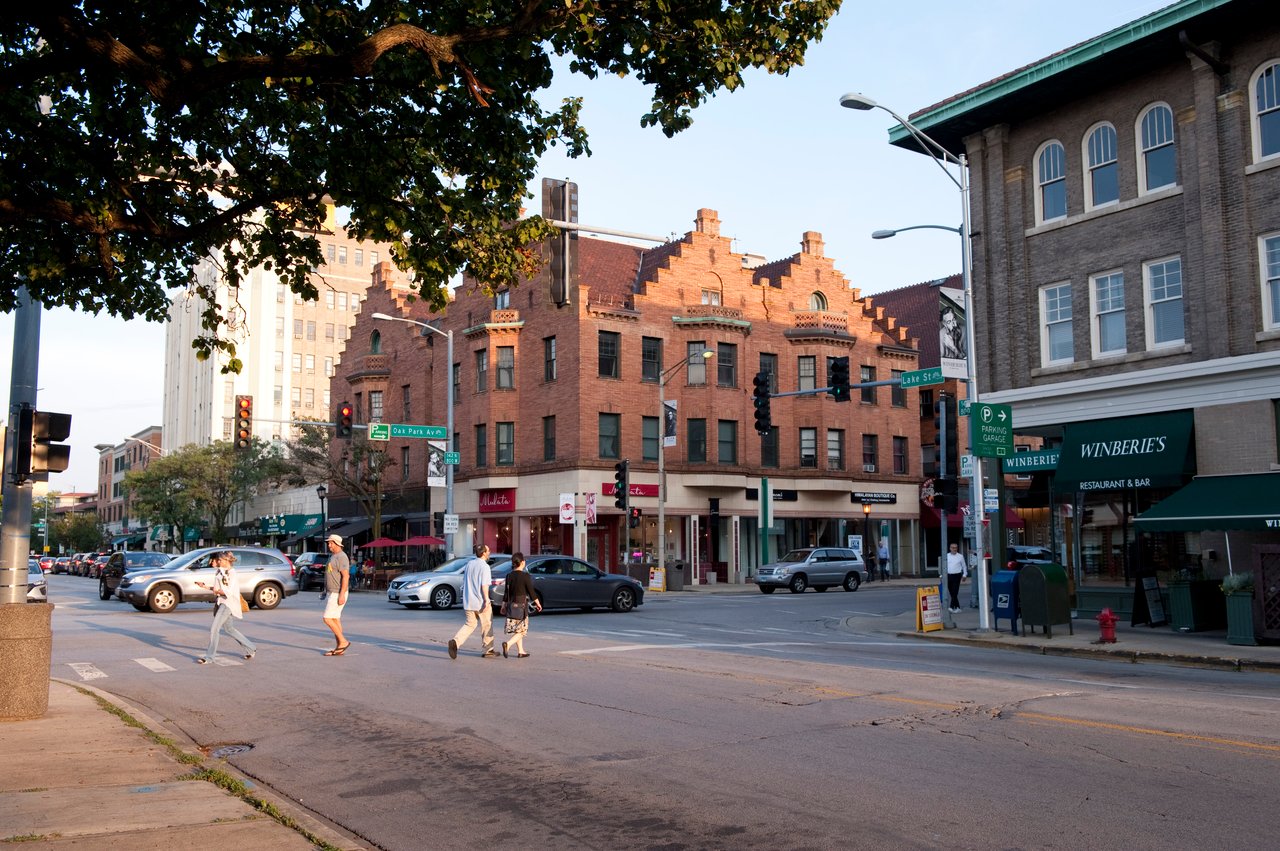
When people talk about day-to-day life in Forest Park, Madison Street is usually the heart of the conversation. The Forest Park Chamber describes it as a place where residents and visitors can shop, dine, and explore from end to end.
That matters because a downtown is more than a nice feature. It shapes how easy it is to grab coffee, meet friends, pick up a meal, or make a quick stop while running errands. In Forest Park, the mix of independent businesses helps make daily life feel local and active rather than generic.
The chamber directory highlights dozens of dining and entertainment options, including restaurants, coffee shops, bakeries, pubs, live music venues, bowling, comedy, and escape-room entertainment. For you as a buyer, that can translate into more variety close to home and more reasons to stay local during the week.
One of Forest Park’s strongest lifestyle features is how naturally compact it feels.
That does not mean every block functions the same way, but it does support a practical everyday pattern. You may be able to combine errands, dining, recreation, and commuting with less planning than you might need in a more spread-out suburb.
Residents also benefit from close proximity to the downtown Oak Park area, right next door to the east!
For many buyers, commuting is where Forest Park really stands out. The village offers strong regional access for both transit users and drivers, which can make it appealing if you need flexibility during the workweek.
According to the CTA Blue Line page, the Blue Line provides 24-hour rapid transit between O’Hare and the Forest Park terminal by way of downtown Chicago. CTA also notes that the Forest Park station includes accessible service, sheltered bike parking, park-and-ride lots, and connections to several Pace routes.
The Green Line adds another layer of convenience. CTA lists Harlem/Lake at 1 Harlem Ave. in Forest Park, with Pace connections and access to the adjacent Oak Park Metra UP-W station. If you prefer having more than one transit option in your back pocket, that kind of network can make everyday planning easier.
For drivers, Forest Park also benefits from access to I-290 and other major roads. So whether your week depends on rail, bus, car, or a mix of all three, the village supports several ways to get around.
In many cases, yes. Based on the available sources, Forest Park supports a car-light lifestyle better than many suburban communities because of its Blue Line and Green Line access, Pace connections, nearby Metra access, and compact layout.
That said, your experience will still depend on your work location, schedule, and household needs. If you commute across the region or need frequent parking, it is worth weighing transit convenience against the reality that some areas may have tighter parking conditions.
Daily life is not only about work and errands. Forest Park also offers recreation options that can help you stay active and connected without traveling far.
The Park District of Forest Park emphasizes year-round programming, inclusive recreation, and neighborhood green space. Core amenities include Roos Recreation Center, the Aquatic Center, sports fields, and pocket parks throughout the village.
Roos Recreation Center is a 14,830-square-foot facility with a gymnasium, fitness center, indoor track, and multipurpose spaces. The park district also notes that it sits right next to the Harlem Blue Line stop, which is a useful example of how recreation and transit overlap in Forest Park.
The Aquatic Center includes a zero-depth pool, water slides, lap lanes, and a splash pad. For everyday living, that gives you options for both casual summer fun and more structured activity close to home.
Pocket parks may sound minor at first, but they often play a big role in how a community feels. The park district highlights spaces such as Lathrop Park and Rieger Park as neighborhood-scale green spaces that help create connections.
In a compact village, those smaller parks can make the day-to-day experience feel more balanced. They give you places to take a walk, get outside, or break up the routine without needing a big outing.
Forest Park also has a strong community calendar that adds energy beyond the workday. According to the Forest Park Chamber, recurring events include the St. Patrick’s Day Parade, Spring and Fall Wine Walks, Pride Celebration, Casket Races, and Holiday Walk.
These events help show that Forest Park is not just convenient, but engaged. If you are looking for a place where there is usually something going on downtown, that can be part of the draw.
This is also where the village’s smaller size can work in your favor. Community events often feel more visible and more woven into daily life when they happen in a compact downtown rather than being spread across a larger area.
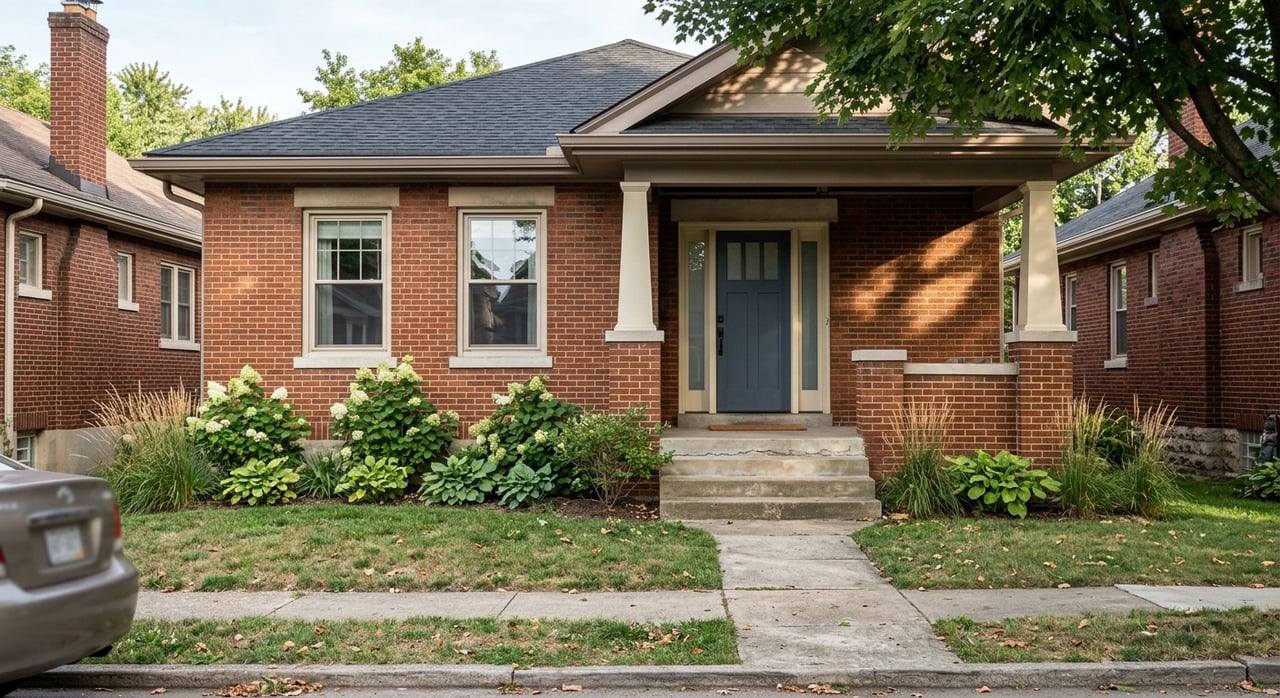
Forest Park’s housing pattern is an important part of the lifestyle picture. Planning documents describe a housing mix with a large share of multi-unit buildings, including converted flats and coach homes, which contributes to a denser feel than many outer-ring suburbs.
For some buyers, that is exactly the appeal. A denser housing mix can support walkability, nearby businesses, and easier transit access. For others, the tradeoffs may include tighter parking or a more urban day-to-day feel.
This is where it helps to match the community to your priorities. If you want space and convenience in a near-west setting, Forest Park may offer a strong fit, especially if you value access over sprawl.
Forest Park often appeals to buyers who want a blend of local character and regional convenience. The best shorthand from the research is small-town ease with big-city access.
That can mean different things depending on your stage of life:
Forest Park may be worth serious consideration if you are looking for a home base with strong transit, a defined downtown, and a more compact lifestyle. It can be especially appealing if you want everyday convenience and easy access to both local amenities and downtown Chicago.
As with any move, the right fit comes down to your routine. Commute needs, parking expectations, housing style, and how much you value walkability all matter. The good news is that Forest Park offers a distinct lifestyle, which can make your decision clearer once you know what you want most.
If you are thinking about buying or selling in Forest Park or another near-west suburb, Cynthia Howe Gajewski can help you compare communities, weigh tradeoffs, and find the right match for your next move.
We are your local housing match-makers. With a shared passion for Oak Park’s historic architecture and diverse neighborhoods, we thrive on connecting the right people with the right homes. Connect with us for a team that treats your goals with optimism, energy, and unwavering dedication.
109 N MARION ST OAK PARK, IL 60301