A Guide to Living in Oak Park River Forest
March 5, 2026
March 5, 2026
If great architecture is on your wish list, Oak Park and River Forest put you front and center. You get tree‑lined streets, striking Prairie School design, and a downtown that invites you to slow down and look up. At the same time, you may be wondering about permits, renovation costs, schools, and how daily life actually feels on these blocks. In this guide, you’ll learn how the architecture shapes the lifestyle here, what rules protect historic homes, and how to plan a smart purchase.
Let’s dive in.
Oak Park and River Forest are known for early 20th‑century craftsmanship and design. Oak Park has one of the largest concentrations of Prairie School architecture in the country, with dozens of buildings tied to Frank Lloyd Wright and his circle. Signature sites such as Unity Temple and the Frank Lloyd Wright Home & Studio anchor the neighborhood’s look and feel. The village’s preservation program is a big reason so much of this character remains intact.
To understand how preservation works here, start with the village’s overview of historic districts, guidelines, and approvals. It explains what’s protected and how reviews help keep the streetscape consistent.
Unity Temple is part of the UNESCO World Heritage inscription “The 20th‑Century Architecture of Frank Lloyd Wright.” That designation signals global significance and helps guide preservation efforts. You can learn more about the listing and why it matters from the Frank Lloyd Wright Foundation’s overview of the UNESCO inscription. Seeing the building in person is a powerful reminder of how design shapes daily life here.
Wright’s Home & Studio sits in the heart of Oak Park and is open for guided tours year‑round. The property offers a close look at how Wright lived and worked during his Oak Park years. Explore tour options through the Frank Lloyd Wright Trust’s Home & Studio page.
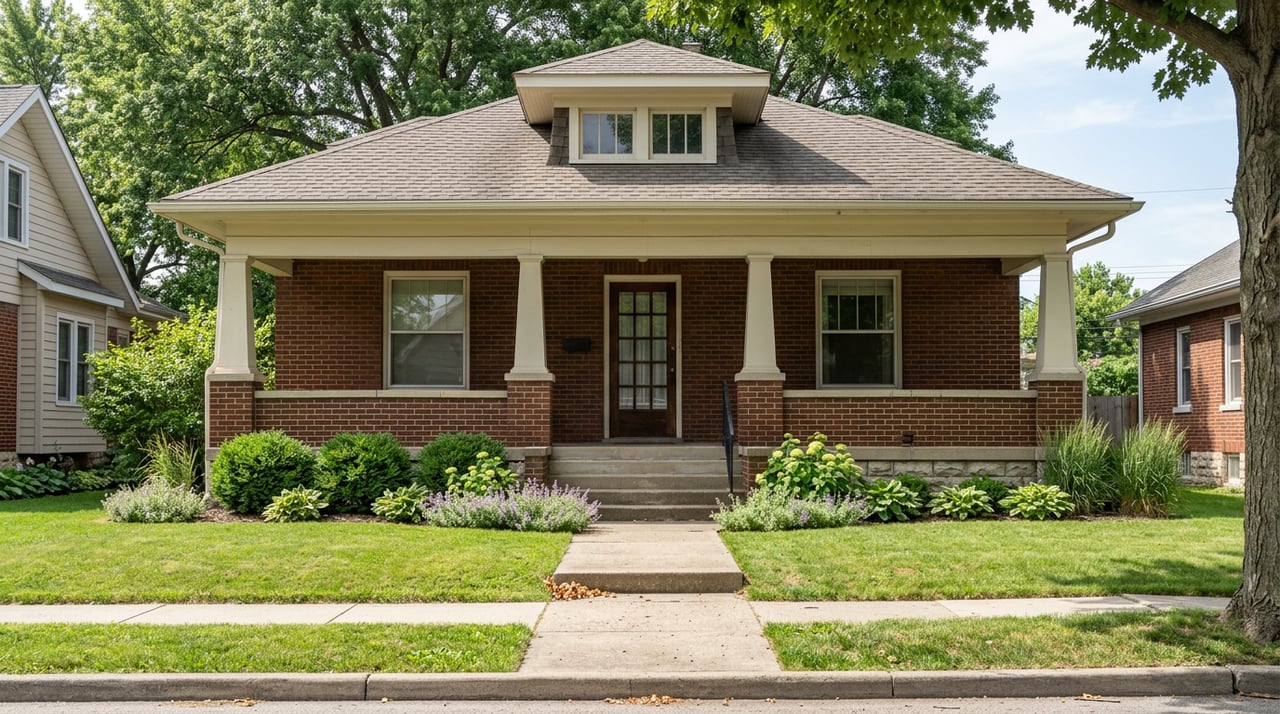
You’ll find a rich mix of historic homes across both villages. The range includes Queen Anne and other late‑Victorians, American Foursquares, Chicago bungalows, Prairie School houses, and Tudor or Colonial Revival homes. River Forest also features larger estate‑scale properties, including early commissions by Wright such as the Winslow House.
Here are quick style cues to help you spot what’s what:
Historic districts cover roughly one‑third of Oak Park. Exterior work within these districts is reviewed under the village’s Historic Preservation Ordinance. Depending on scope, you may need a Certificate of Advisory Review or a Certificate of Appropriateness. The process adds steps, but it’s designed to protect the qualities that make these neighborhoods special. Review the village preservation page before you plan.
A quick homeowner checklist:
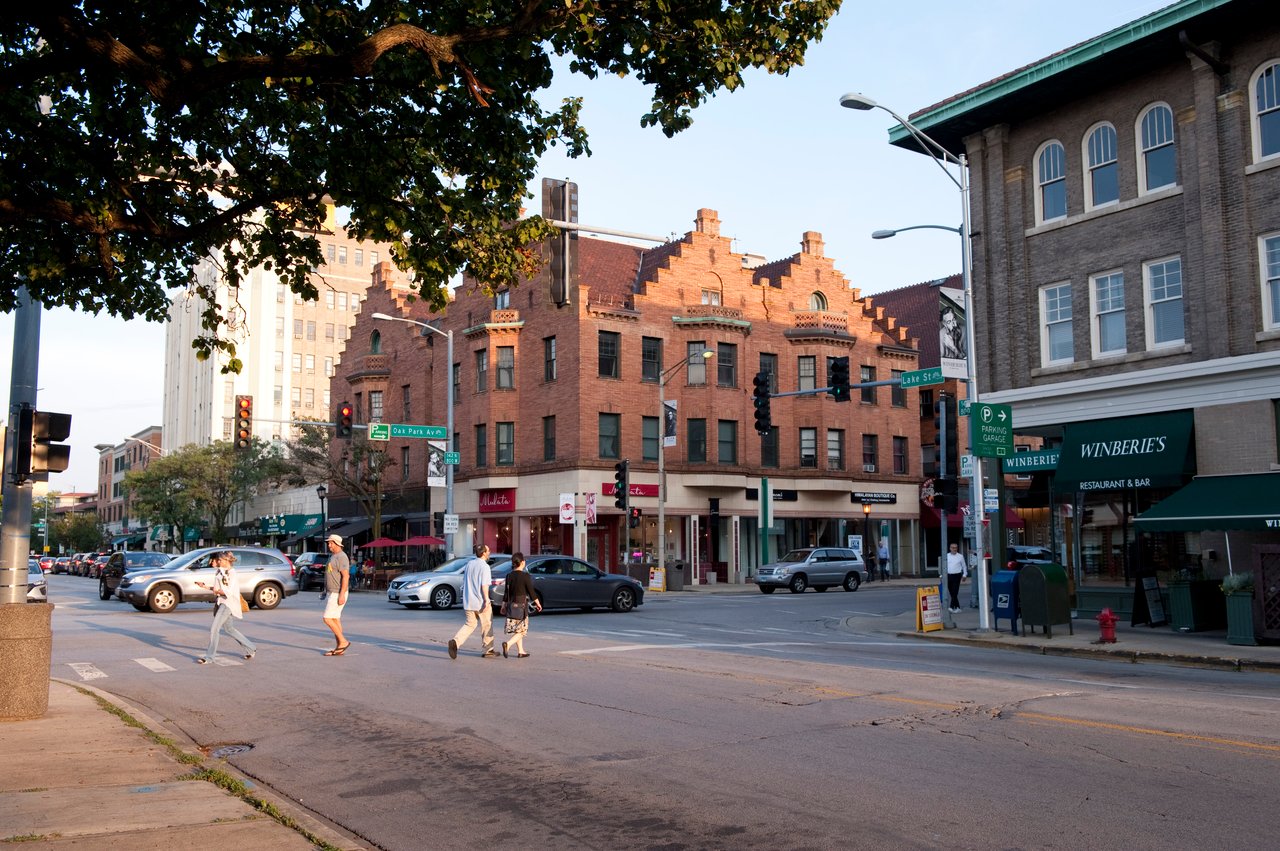
Downtown Oak Park centers on Lake Street near Scoville Park. It’s compact and designed for people on foot, with restaurants, shops, and seasonal events. The village’s long‑running Oak Park Farmers Market runs May through October and is a weekend favorite.
Architecture and history tours are part of the rhythm of life. You can book Home & Studio tours through the Trust, and community groups offer neighborhood walks and talks throughout the year. Many residents mix weekend errands with an architecture stroll.
Oak Park’s overall Walk Score sits in the high 70s, typically labeled “Very Walkable,” which means many day‑to‑day errands can be done on foot from central blocks. Check the Walk Score snapshot for Oak Park to get a feel for different areas. River Forest is quieter and more residential, with many dining and shopping options just over the border in Oak Park’s commercial corridors.
You’ll find a mix of small urban parks, a historic greenhouse, and nearby forested trails. The Park District of Oak Park cares for neighborhood parks and specialty sites such as the Oak Park Conservatory. Scoville Park serves as a central green space for concerts and gatherings, while Ridgeland Commons offers recreation.
For a quick nature escape, residents head to the Forest Preserves in and around River Forest, including Thatcher Woods and the Trailside Museum. On the cultural side, the Oak Park Public Library runs robust events and maintains local special collections. Explore the library’s special collections, including Wright and Hemingway materials.
Both villages are transit‑rich. The CTA Green Line’s Harlem/Lake terminal sits by downtown Oak Park, providing a direct rapid‑transit link into the broader CTA network.
Metra’s Union Pacific West line serves stations in both Oak Park and River Forest. Once on board, many schedules show trips to downtown Chicago commonly in the 20 to 30 minute range. The compact street grid and short distances to stations make biking and walking to transit a daily habit for many commuters.
Public education is organized into two elementary districts and a shared high school. Oak Park Elementary District 97 serves roughly 5,500 to 5,600 students across multiple elementary schools and two middle schools. River Forest District 90 is a smaller K–8 district. Oak Park and River Forest High School (District 200) serves both villages. For the latest program and performance summaries, review district resources such as Oak Park District 97’s overview, along with the Illinois Report Card.
Older homes here often include original woodwork, period windows, plaster walls, and vintage mechanicals. That craftsmanship is a major draw. It also means you should plan for routine care such as roofing, masonry and tuckpointing, drainage, and electrical updates. If a home is a local landmark or sits in a historic district, visible changes and material substitutions may require approval. The village’s preservation guidance outlines the process.
Consider budgeting for:
Some projects may qualify for tax incentives when work meets certified standards. Ask early and plan timelines with reviews in mind.
An aggregated snapshot shows Oak Park’s median sale prices typically in the high‑$300,000 to mid‑$500,000 range, depending on housing type and location. River Forest often trends higher in many areas due to larger lots and estate‑scale homes. For a confident plan, use real‑time MLS data and neighborhood‑level comparisons before you write offers. Expect well‑preserved homes in central, walkable areas to draw strong interest.
If you want character without chaos, guidance matters. Our Oak Park‑based team pairs historic‑home fluency with step‑by‑step advice on inspections, permit paths, and the tradeoffs that come with preservation. We help you weigh layout, commute, and school fit against renovation scope and long‑term value. On the listing side, our marketing and prep plans showcase period details the right way. On the buying side, our specialists move quickly and keep you informed at every step.
Ready to explore homes that fit your style and your daily routine? Connect with Cynthia Gajewski. Let’s Find Your Perfect Home Together.
We are your local housing match-makers. With a shared passion for Oak Park’s historic architecture and diverse neighborhoods, we thrive on connecting the right people with the right homes. Connect with us for a team that treats your goals with optimism, energy, and unwavering dedication.
109 N MARION ST OAK PARK, IL 60301