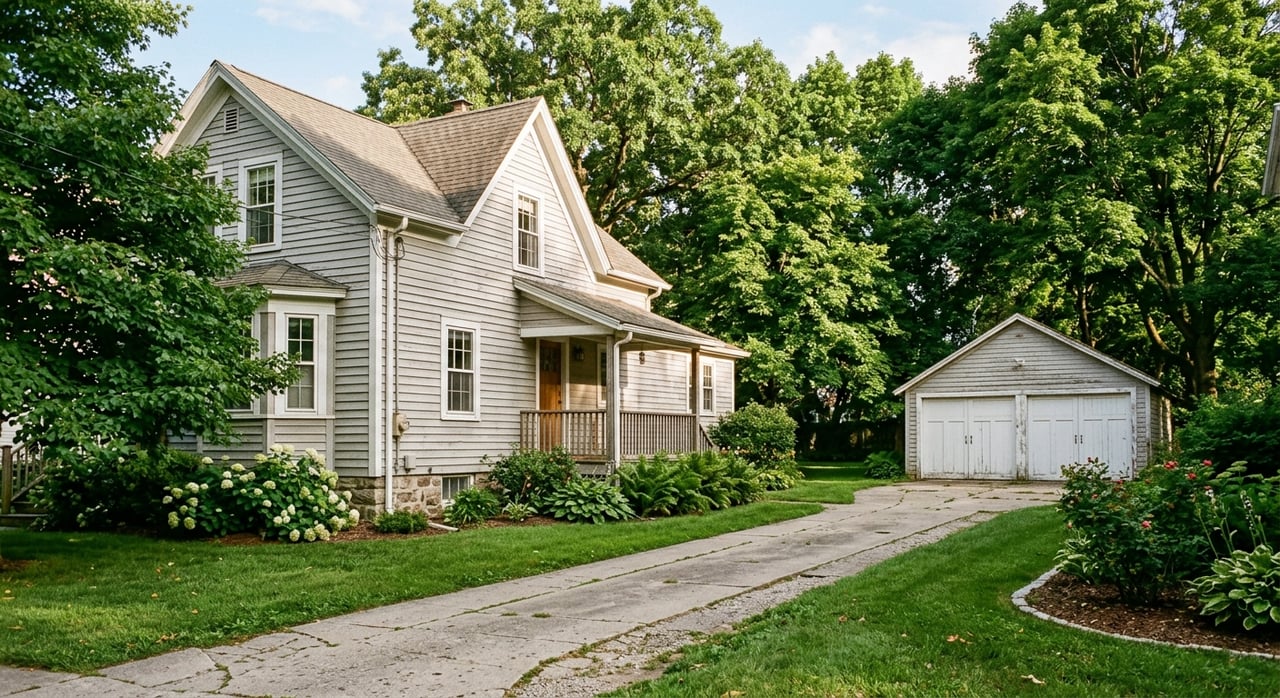
Move From Chicago to Oak Park: Oak Park vs. River Forest
June 11, 2026
June 11, 2026
Thinking about leaving Chicago without giving up walkability, transit, or character? If Oak Park and River Forest are on your shortlist, you are already looking in the right place. Both villages sit about nine miles west of downtown Chicago, but they offer very different day-to-day experiences. This guide will help you compare pace, housing, commuting, and everyday living so you can choose the better fit with confidence. Let’s dive in.
If you are moving from Chicago, the biggest difference is not distance. It is how each place feels once you live there.
Oak Park is the larger and denser village, with 52,823 residents across 4.70 square miles. River Forest is much smaller, with 11,393 residents across 2.48 square miles. That difference shows up in everything from housing mix to commercial activity to the overall pace of daily life.
Oak Park also has a more mixed housing profile. The owner-occupied rate is 60.0%, and the median owner-occupied home value is $465,500. In River Forest, the owner-occupied rate is 87.7%, and the median owner-occupied home value is $687,300.
In plain English, Oak Park tends to feel more city-meets-suburb. River Forest tends to feel more residential and ownership-focused. If you are coming from Chicago, that distinction is often the starting point for the right decision.
For most Chicago movers, Oak Park will feel more familiar. The village describes itself as offering a distinctive urban-suburban lifestyle, and that comes through in the street life, business districts, and transit choices.
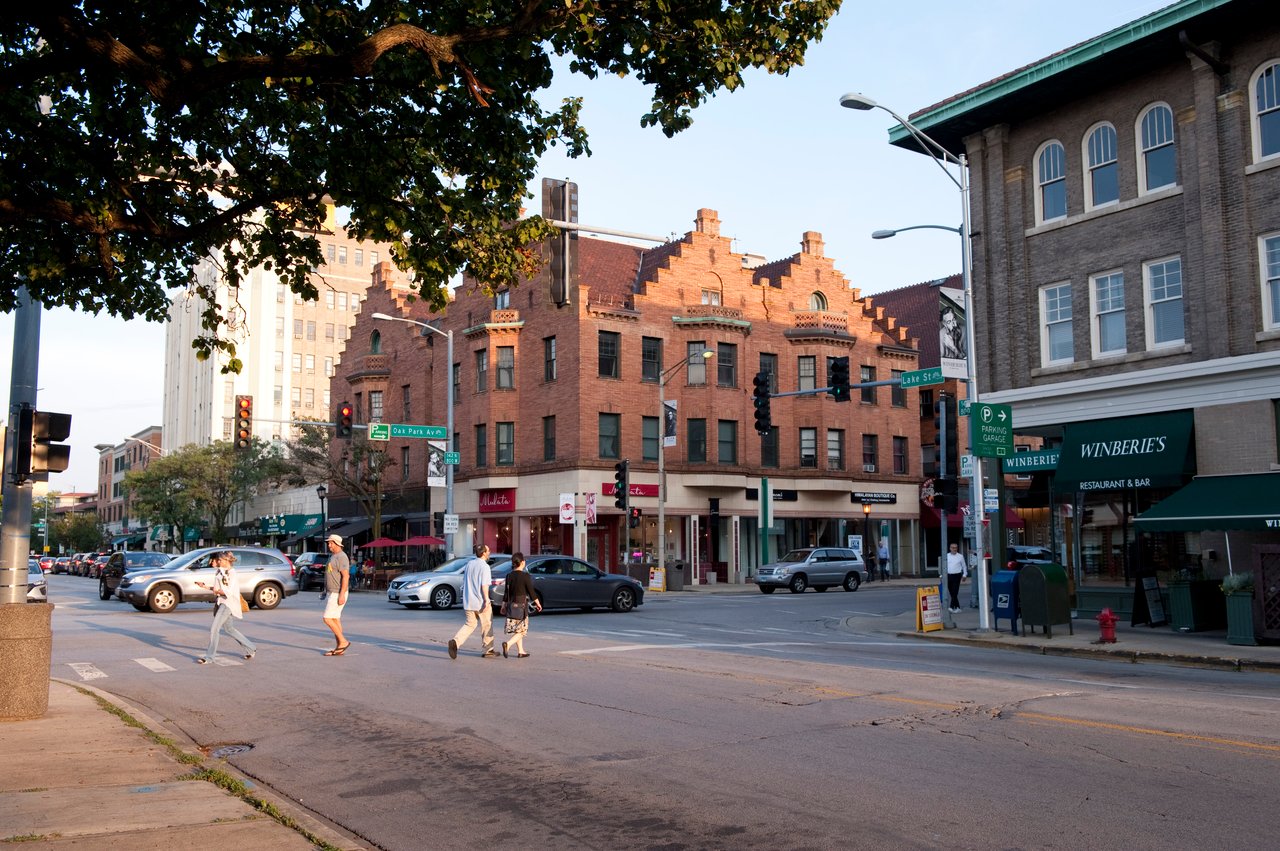
Oak Park has 12 business districts, with Downtown Oak Park as the central commercial district. The Hemingway District sits near the Green Line station, and the Oak Park Arts District stretches along Harrison Street from Austin Boulevard to Ridgeland Avenue. If you like having multiple pockets of activity instead of one quiet center, Oak Park usually matches that preference better.
River Forest has a different rhythm. Its village center is more corridor-based, especially along Lake Street near the Metra UP-W line. The official community profile describes a strong residential character, and that is exactly how many buyers experience it.
Your commute can quickly become the deciding factor. If you want multiple transit options, Oak Park has the edge.
Oak Park offers three major rail touchpoints:
The Green Line runs through downtown via the Loop. The Blue Line offers 24-hour rapid transit between O’Hare and Forest Park via downtown. For drivers, Oak Park also has direct access through I-290, Harlem Avenue, and North Avenue.
River Forest is more centered on Metra. Its main rail access is the Metra UP-W station at 8001 W. Central Ave. If Metra works well for your routine, that may be all you need. But if you want more built-in backup options for commuting into Chicago, Oak Park gives you more flexibility.
If architecture matters to you, both villages deliver. The difference is in the mix and what that means for your search.
Oak Park is especially known for Frank Lloyd Wright and Prairie School architecture. The village says it has three historic districts, including the Frank Lloyd Wright-Prairie School district, and those districts cover about a third of the village. Oak Park also has condo and townhome association support, which reflects a broader range of housing types.
River Forest also has a strong historic identity, but with a wider style range. The village lists Gothic Revival, Victorian, Prairie School, Tudor Revival, Bungalows, Buurma Built, Art Deco, and Moderne among its architectural styles. Its locally established historic district includes about 860 properties.
If you want more variety in property type, including condos, townhomes, and single-family homes, Oak Park may open up more options. If you are focused on a quieter, more owner-occupied single-family market with higher typical home values, River Forest may feel more aligned.
Older homes can be a joy, but they also require a little more planning. That is especially true in both Oak Park and River Forest, where historic housing stock is a major part of the appeal.
Before you budget for exterior updates, check whether a property is in a historic district. That can affect what work requires review and how you plan improvements. This matters whether you are dreaming about windows, doors, siding, porches, or other visible changes.
For Chicago buyers moving into the near-west suburbs, this is one of the biggest mindset shifts. A beautiful older home may offer craftsmanship and character you cannot easily replicate, but it may also come with extra steps when you renovate. Going in with a clear plan helps you avoid surprises.
Oak Park tends to support a more active, district-based routine. If you enjoy having a choice of business areas, restaurants, services, and community resources close by, that is one of its strongest advantages.
The village reports about 1,700 UI-covered businesses, nearly 15,000 workers, and more than 125 restaurants, cafes, and eateries. Oak Park also has three library sites and a Park District that offers more than 3,000 recreation programs and special events each year. For many Chicago movers, that mix creates an easy transition because daily errands and activities still feel close at hand.
There are also practical details to know. Oak Park uses a parking system that requires permits on most streets. Waste services include weekly trash, recycling, and yard waste, plus composting and at-home e-waste or hazardous-waste pickup.
River Forest often appeals to buyers who want a quieter day-to-day environment. The village center is tied closely to Lake Street and the Metra line, while North Avenue, Harlem Avenue, and Madison Street act as important corridors and borders.
The local routine leans on a smaller group of civic institutions, including School District 90, OPRF High School District 200, the Park District, the Public Library, and the Township. That setup can feel simpler and less busy than Oak Park’s broader district network.
Refuse service also follows a straightforward weekly schedule, with pickup Monday through Wednesday depending on location. The village also offers unlimited recycling and an annual leaf collection program from mid-October through the first week in December.
If you are torn between the two, try thinking less about which village is better and more about which one matches your routine.
Oak Park may be the better fit if you want:
River Forest may be the better fit if you want:
Both villages connect to OPRF High School District 200, which can matter for buyers looking for continuity across a move. But for most Chicago movers, the decision usually comes down to pace, housing type, and commute style.
If you are relocating from Chicago, start by ranking your non-negotiables. Think about how often you will use transit, whether you want a condo or a detached home, and how much activity you want outside your front door.
It also helps to tour both villages with the same checklist. Compare the commute, street parking, business districts, housing style, and how each place feels at different times of day. What feels charming on a weekend afternoon may feel very different on a Monday morning.
Most of all, give yourself room to compare tradeoffs. Oak Park and River Forest are close to each other, but they are not interchangeable. The right move is the one that fits your real life, not just your first impression.
If you are weighing a move from Chicago to Oak Park or River Forest, talking through your priorities with a local guide can save time and reduce second-guessing. Cynthia Gajewski and Team Cynthia bring deep Oak Park and near-west suburb knowledge, practical advice on older homes, and a calm, relationship-first approach to helping you find the right fit.
We are your local housing match-makers. With a shared passion for Oak Park’s historic architecture and diverse neighborhoods, we thrive on connecting the right people with the right homes. Connect with us for a team that treats your goals with optimism, energy, and unwavering dedication.
109 N MARION ST OAK PARK, IL 60301